

Here's a reflection for our migrant worker brothers
Summary
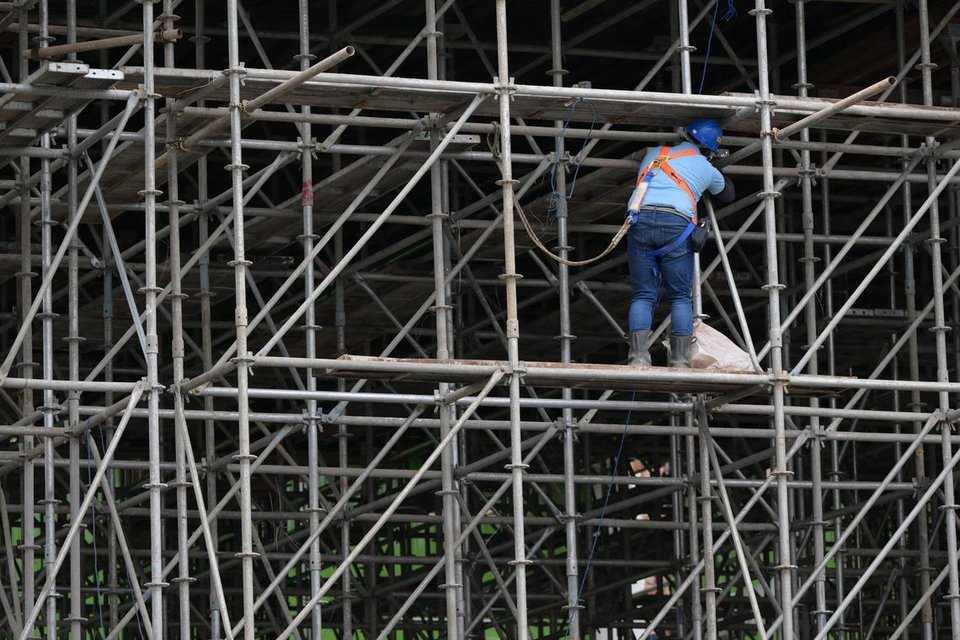
In the first half of 2025, Singapore recorded 76 deaths and major injuries in the construction sector, a slight drop from 81 in the same period of 2024. Minister of State for Manpower Dinesh Vasu Dash warned the industry not to be complacent, especially with major projects like Changi Airport and Marina Bay Sands expansions underway. Speaking at a safety leadership forum, he highlighted new initiatives, including a WSH Council programme for companies to conduct safety walkabouts from Sept 22 to Oct 21, aimed at fostering proactive hazard identification and reinforcing safe practices. He also emphasised the importance of leadership presence, with senior management leading by example and directly engaging workers to make safety a personal priority. The WSH Advocate Programme, which now has 37 advocates including developers like Wing Tai, Allgreen, Frasers, LendLease, and UOL, continues to promote workplace safety by recognising contractors with strong safety records and prioritising them in tender processes. Both Mr Dinesh and Redas president Tan Swee Yiow underscored that good safety performance is not only a moral responsibility but also a strategic business advantage.
Concepts
Migrant worker's welfare in Singapore
Such a phenomenon illustrates the often-overlooked plight of migrant workers, who are frequently treated as an underclass in Singapore despite shouldering the most dangerous and physically demanding labour that locals are unwilling to take on. /n These workers, essential to the nation's infrastructure and growth, face heightened risks of injury and death, a stark reminder of the unequal burdens within society.
Profitability vs Accountability in Businesses
Beyond the moral responsibility to protect them, businesses themselves stand to lose when they neglect employee well-being: unsafe practices erode trust, damage reputation, and undermine credibility with both the public and stakeholders. /n In the long run, profitability is inseparable from responsibility, for a company that fails to care for its workers ultimately sabotages its own sustainability, whereas one that prioritises safety and dignity fosters loyalty, productivity, and respect that strengthen its bottom line.