

How do shops convince you to spend more than you plan
Summary
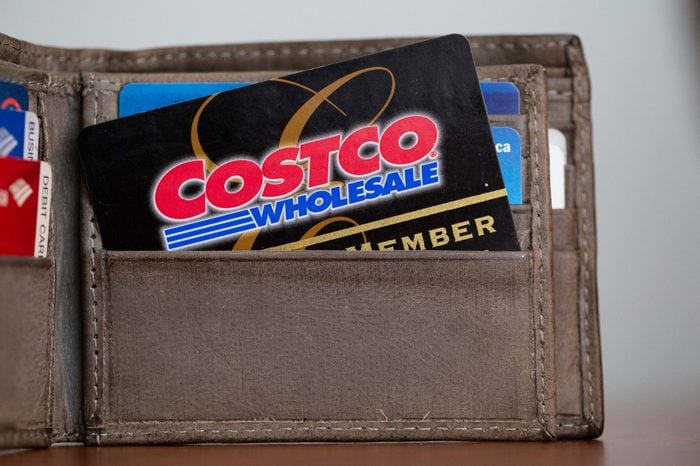
Costco is an American multinational corporation and, as of 2024, the world’s largest retailer of beef, poultry, organic produce, and wine. It operates a chain of membership-only warehouse clubs, with a total of 914 locations worldwide. Interestingly, many shoppers end up spending far more than they intend after visiting the store. How, then, does Costco manufacture such demand? Costco strategically employs free sampling stations, anticipating that a taste of a drink or appetiser will tempt customers into impulse purchases. Yet at Costco, every purchase comes in bulk. When consumers buy more than they need, much of it inevitably spoils or goes to waste. Another clever tactic lies in the store’s minimalist interior. According to marketing industry professional Mark Ortiz, Costco’s design resembles a warehouse, featuring exposed beams, wooden pallets, and simple metal shelving. This bare aesthetic creates the illusion that prices are lower because less money is spent on decoration. As a result, consumers are subtly persuaded to buy more.
Concepts
Throwaway Economy
Costco’s strategy exemplifies the throwaway economy: a system in which economic profit depends on continuous cycles of production, consumption, and disposal, regardless of actual need. Encouraging consumers to buy in bulk boosts corporate profits but also contributes to mounting waste and environmental harm. Globally, approximately 2.12 billion tonnes of waste are generated each year, much of it the byproduct of such consumption-driven systems.