

The Iranian Upheaval
Summary
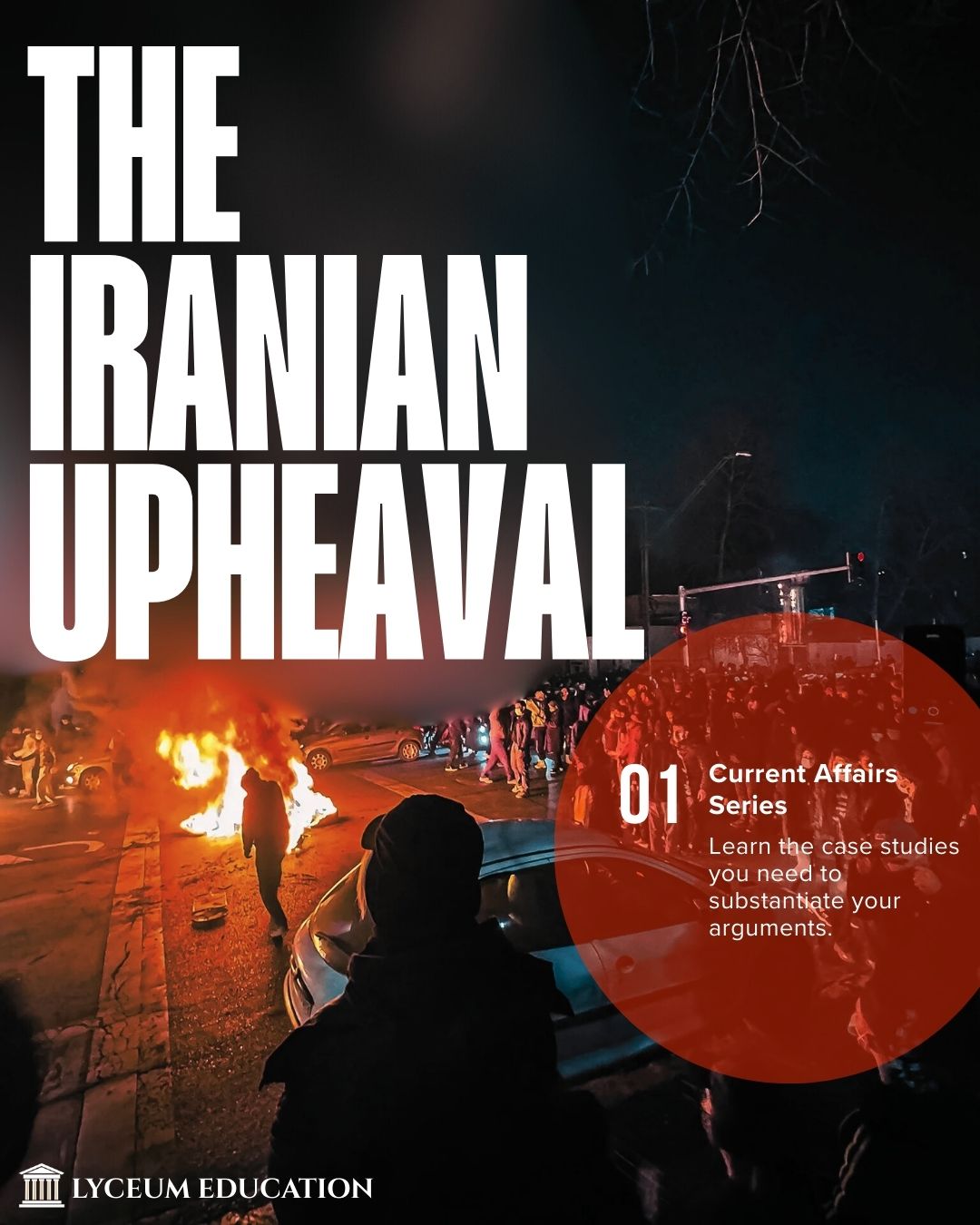
Iran today stands besieged not by foreign armies, but by the fury of its own people. Citizens have poured into the streets, protesting an entrenched system marked by authoritarian rule, corruption, and deepening economic despair. Years of Western sanctions tied to Iran’s nuclear ambitions, compounded by chronic mismanagement, have hollowed out the economy, sending prices soaring and living standards into steady decline. Analysts contend that genuine recovery would require vast external financial support, yet such relief would demand political concessions the regime is unwilling to make. With negotiations with the West ideologically fraught and assistance from allies limited, the state has reverted to repression: deploying arrests, internet blackouts, and security crackdowns in the hope that unrest will dissipate, even as the risk of escalation looms. External pressure, including renewed economic measures and the spectre of military confrontation, has only heightened the danger of regional spillover. In clinging to power, the regime appears prepared to erode what little remains of Iran’s democratic space.
Application
This case starkly exposes the corrosive nature of authoritarianism. In the absence of democratic mechanisms, political systems lose their ability to translate public needs into policy, leaving grievances to fester rather than be addressed. Without meaningful checks on power, corruption becomes entrenched, further distancing the state from its citizens. The Iranian crisis also illustrates how economic sanctions can exert an outsized influence on political stability, especially when imposed on regimes already detached from popular consent. Non-compliance with international norms does not merely isolate a government; it imperils the livelihoods of ordinary people and places the regime’s own survival at risk. In pursuing nuclear ambitions at all costs, Iran has bound its political future to economic hardship, and its people are now bearing the price.