

The Cost of Leaving Home
Summary
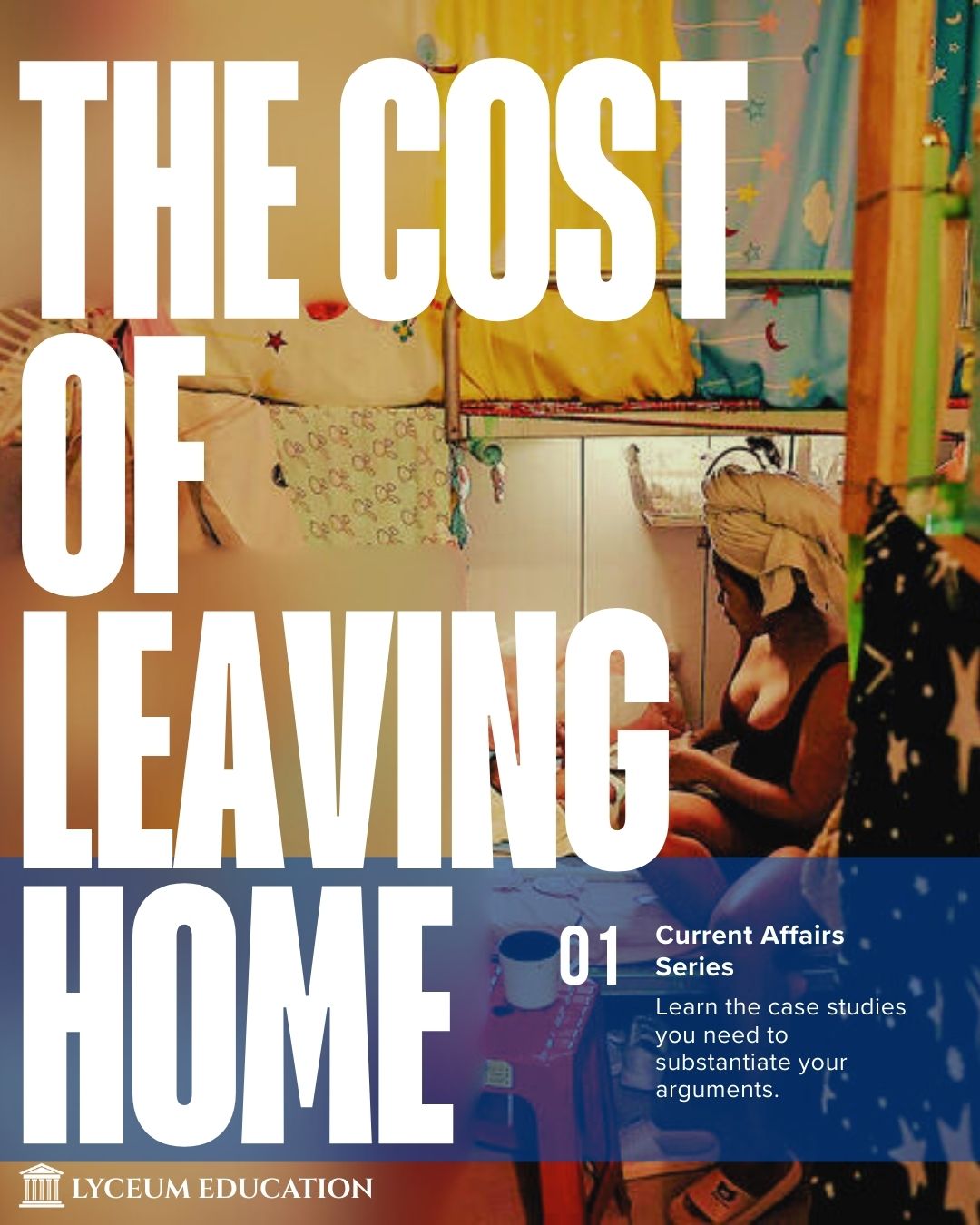
Millions of migrant workers from the Philippines and Indonesia leave their home countries in search of higher wages due to low pay, unemployment, and limited opportunities at home, with remittances forming a crucial pillar of national economies. While working abroad often allows families to escape extreme poverty and improve material living conditions, it comes at a heavy social cost. Parents, especially mothers, are separated from their children for years, missing key milestones and emotional bonds. In many migrant villages, children are raised by grandparents or relatives, leading to loneliness, behavioural issues, poor academic performance, and emotional distress. Despite earning more overseas, many workers repeatedly migrate because decent jobs remain scarce back home, trapping families in a cycle where economic survival is gained at the expense of family unity and long-term social well-being.
Application
Evidently, globalisation creates new economic opportunities by enabling labour, capital, and skills to move across borders, giving individuals access to higher wages and livelihoods that would be impossible at home. Yet this same process disrupts the social fabric. Families are separated across continents, relationships are sustained through screens rather than presence, and traditional roles of care and upbringing are fractured. Economic mobility is gained, but emotional proximity is lost. As work becomes global, intimacy becomes fragile, reshaping how people interact, how children grow, and how love is expressed across distance and absence.