

Loss of Legitimacy
Summary
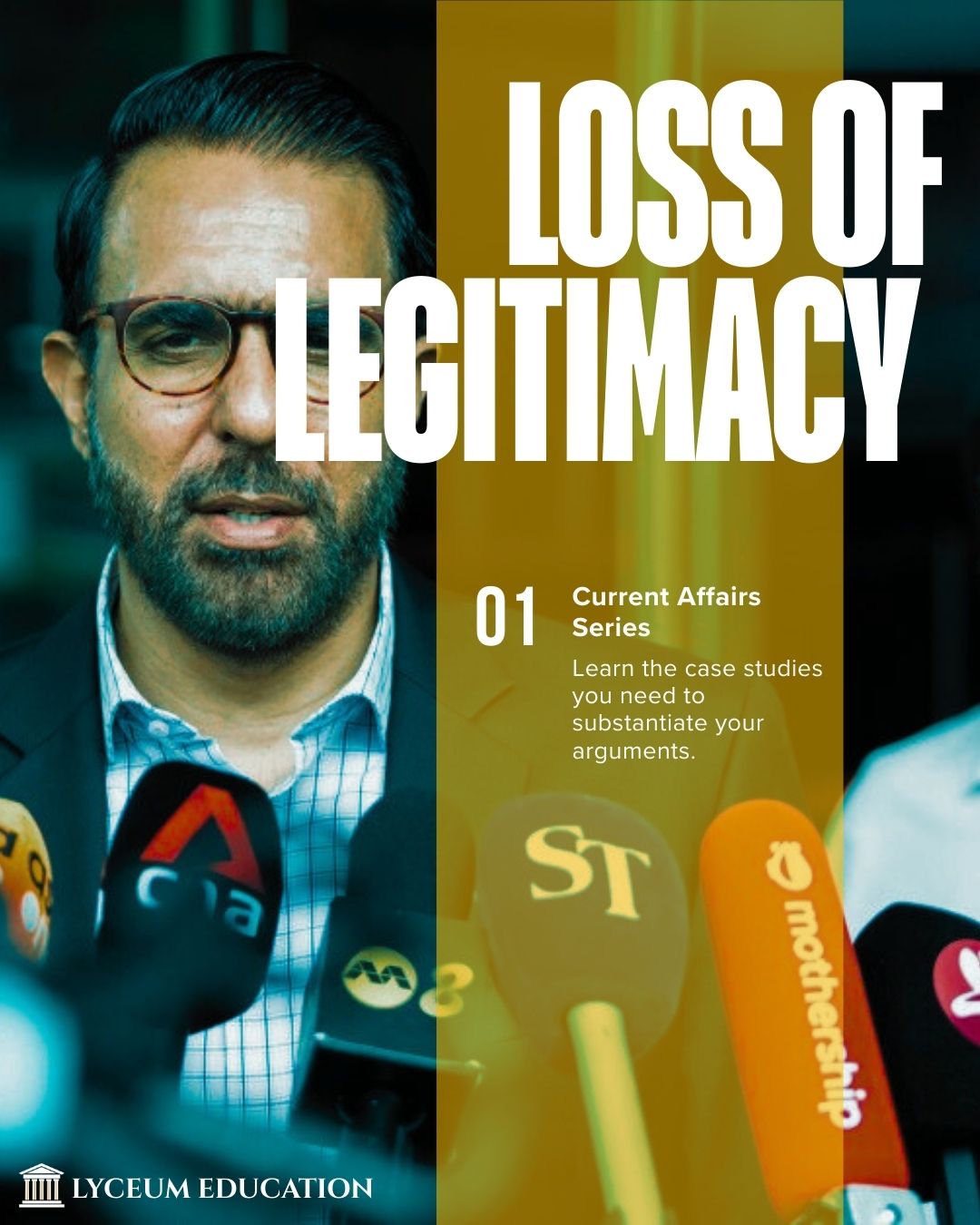
On 17 February 2025, Pritam Singh, Singapore’s Leader of the Opposition, was convicted and sentenced for providing false testimony to a parliamentary committee regarding whether he had instructed a fellow party member to come clean about a statement she had made in Parliament. The episode stemmed from a separate controversy involving Raeesah Khan, a Workers’ Party MP who had fabricated a rape allegation implicating the police. Once the falsehood was exposed, public scrutiny shifted swiftly from Khan’s individual misconduct to the conduct of party leadership after the truth became known internally. Testimony before the committee suggested that Singh had delayed corrective action, prompting concerns that political damage control may have been prioritised over candour. Although Singh denied ever instructing Khan to persist in the lie, the episode nonetheless eroded his authority by calling into question his judgment and decisiveness as a leader. The cumulative effect of these findings culminated in his removal from the role of Leader of the Opposition, with Parliament determining that he was no longer suitable to continue in that capacity.
Application
This case study illustrates that within a meritocratic system, legitimacy rests not solely on competence but on moral credibility. The resort to deception, or the perceived tolerance of it, undermined Singh’s public standing, recasting him as a leader who faltered on truthfulness at a critical moment. Politics, therefore, is not merely a contest of ability or strategy; it is equally a test of values and character, without which authority cannot endure.