

Autistic Barbie
Summary
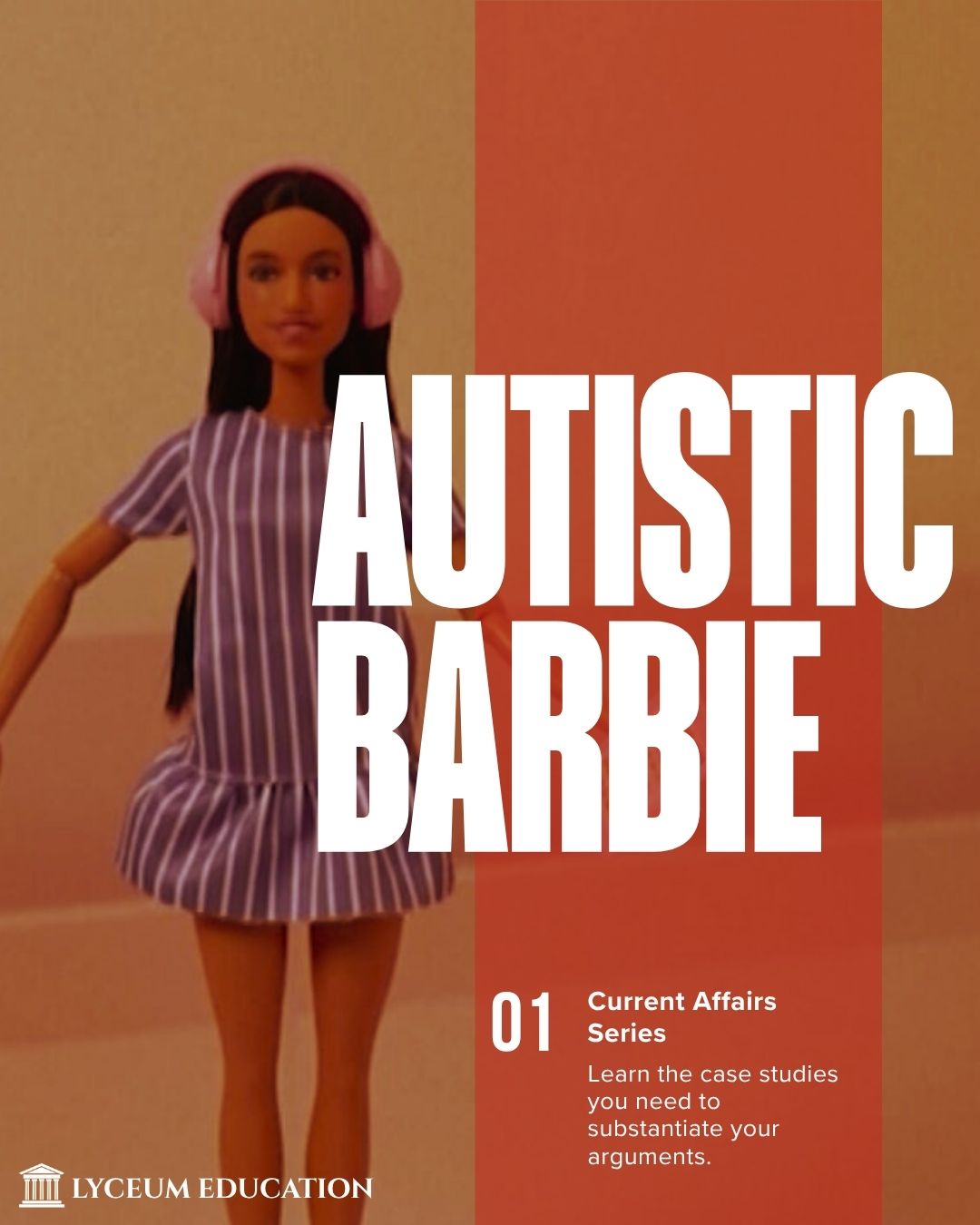
Mattel has introduced its first Autistic Barbie, a landmark step in inclusive toy design aimed at reflecting the lived experiences of autistic children. Created in consultation with advocacy groups, the doll features thoughtful details such as loose clothing to reduce sensory discomfort, a sideward gaze, noise-cancelling headphones, a fidget spinner, and a tablet symbolising assistive communication tools. Advocacy organisations have praised the doll as a milestone for authentic and joyful representation, while also reminding the public that autism exists on a wide spectrum and no single portrayal can capture every experience. This release builds on Mattel’s broader push towards inclusivity through dolls representing a range of disabilities, reinforcing the idea that toys should reflect the diversity of the real world children grow up in.
Application
Beyond play, toys function as a powerful form of informal education: what children interact with daily shapes their assumptions about what is “normal,” valued, and accepted. When neurodivergent children see themselves represented in toys, it affirms their experiences and builds confidence by signalling that they are recognised and heard. For non-neurodivergent children, such representation fosters empathy and understanding from an early age, normalising difference rather than othering it.