

Drones are in the zone
Summary
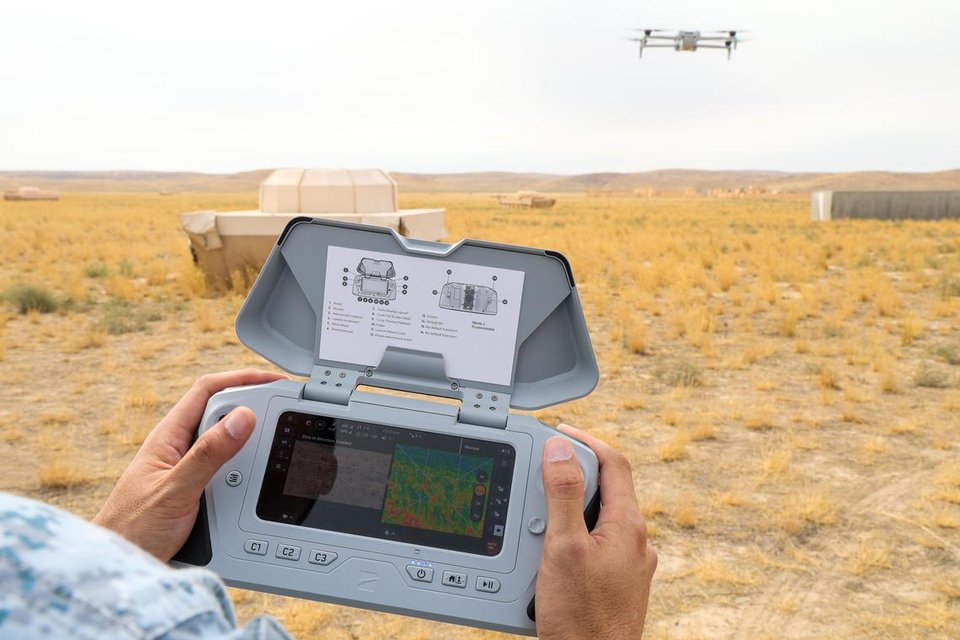
At the ongoing Exercise Forging Sabre in Idaho, the Singapore Armed Forces (SAF) are trialling three new micro mini drones—the Ascent Spirit, Skydio X10, and Neros Archer—to enhance battlefield resilience and operational efficiency through a “multi-tier” concept that integrates unmanned and manned platforms. These drones, deployed by SAF’s new drone unit Droid, are being tested in realistic scenarios across Mountain Home Air Force Base’s vast airspace, over 20 times Singapore’s size, to validate their range, communications resilience, and effectiveness. With 24 drones and over 800 personnel participating, the exercise allows SAF and DSTA to refine both software and hardware in real time, ensuring technologies are practical, adaptable, and ready to strengthen future operations.
Concepts
Marvels of Technology
Technology has undeniably enhanced military capacity, enabling forces to fight with greater precision, efficiency, and resilience—drones, AI, and advanced surveillance now allow armies to strike accurately, operate in hostile environments, and reduce risks to their own soldiers.
Erosion of moral culpability
Yet this technologisation of warfare raises troubling moral implications: by creating distance between the soldier and the battlefield, it can blunt the psychological weight of taking lives, reducing the sense of guilt or moral culpability that traditionally serves as a brake on violence. When killing becomes automated, remote, or abstracted into data on a screen, it risks normalising belligerence and making war politically and socially easier to wage, while the human cost (civilian casualties, destroyed livelihoods, fractured societies) becomes less visible to those pressing the buttons. The danger lies not only in the escalation of conflict but also in the erosion of our collective capacity to respond with adequate empathy and accountability for the profound loss of human life.