

Tekong is not just for BMT
Summary
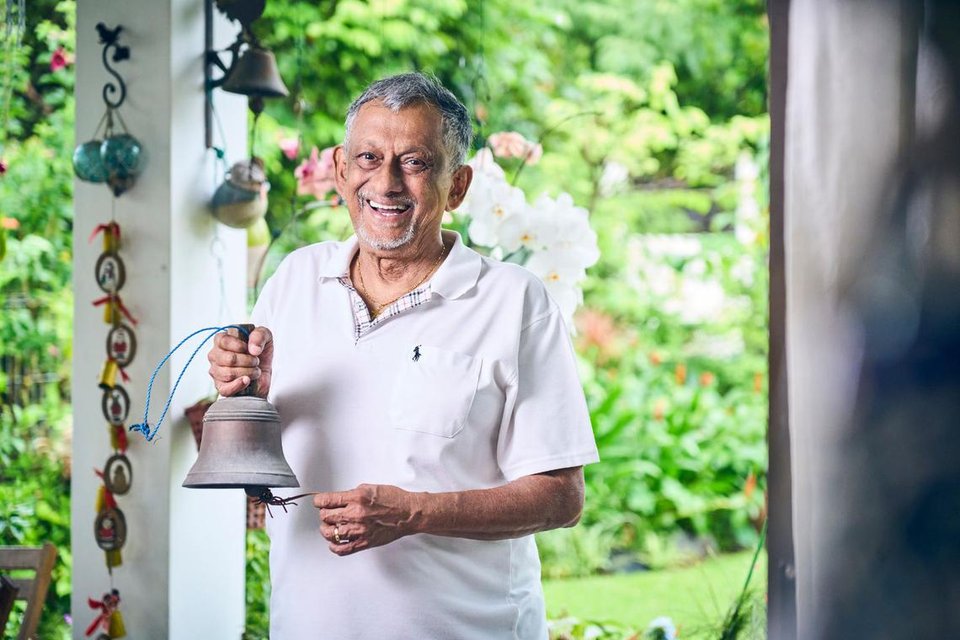
From 1970 to 1980, Mr Kenneth Vaithilingam was the sole English teacher at Kampong Pasir Malay School, one of the last schools on Pulau Tekong before the island became a military training ground. With only about 36 students spread across six classrooms, lessons began whenever the ferry and motorcycle rides from the mainland allowed, and school fees were often repaid in fish or prawns rather than cash. Mr Vaithilingam recalls a close-knit, resource-scarce environment where teachers covered students’ supplementary fees, were respected enough to leave their motorbikes unlocked, and even had to call in army medics when emergencies struck. When the school closed under Singapore’s shift away from vernacular education, he moved to the mainland and continued teaching until his retirement after 30 years of service, but still treasures the school bell he rang each morning and the memories of an island community that believed in its children.
Concepts
The cost of modernisation
Mr Vaithilingam’s experience on Pulau Tekong highlights the hidden cultural cost of modernisation. As Singapore moved away from small vernacular schools like Kampong Pasir Malay School towards larger, standardised “official” schools, efficiency and uniform quality improved. But a whole way of life, from close teacher–student bonds to local customs and languages, was eroded. This illustrates how educational reforms meant to advance national progress can also destroy subcultures that people hold dear. While such changes may be necessary for a country’s development, they invite us to pause and ask what is being lost as we gain new systems and conveniences, and whether elements of community, heritage and diversity can be preserved even as we modernise.